Enterprises worldwide are recognizing the potential of conversational AI to revolutionize customer engagement and support. Among the most prominent AI models, ChatGPT, developed by OpenAI, has garnered significant attention. To truly harness its power, many businesses are opting to build their own ChatGPT applications customized to their unique requirements.
The Case for Building Your Own ChatGPT
Building your own ChatGPT app for your enterprise offers numerous advantages. First and foremost, customization is key. It allows you to mold the AI to match your brand’s personality, industry-specific language, and unique customer requirements. This level of personalization goes a long way in enhancing user interactions and fostering a memorable experience.
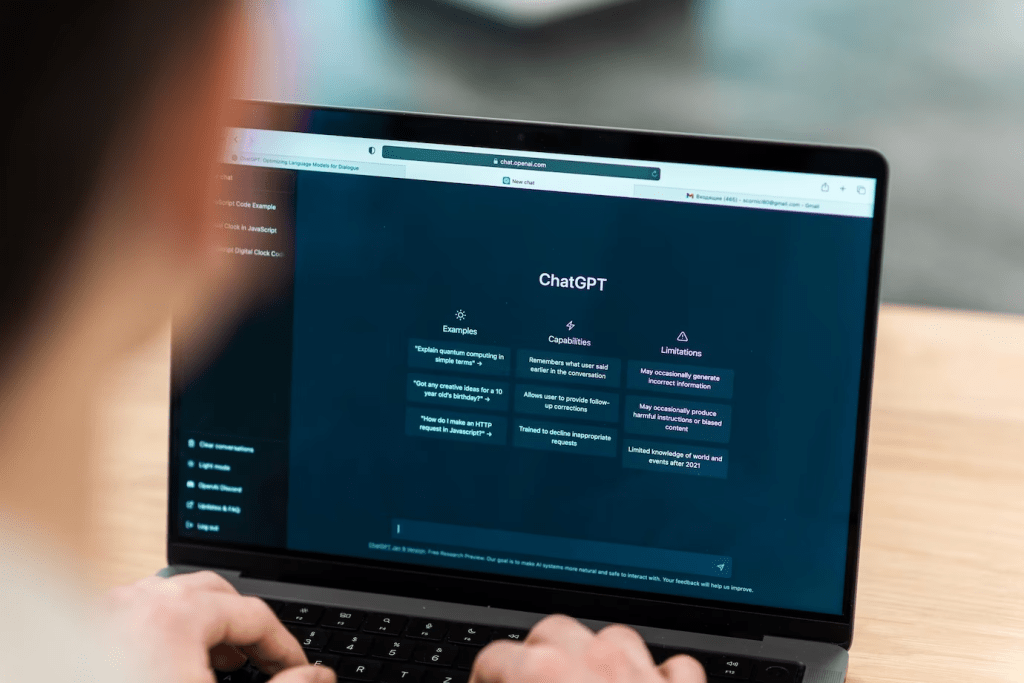
Moreover, data privacy and security are paramount in today’s digital landscape. When you build your ChatGPT, you can exert control over data and implement robust security measures, ensuring the confidentiality of sensitive information. This is particularly crucial for sectors like healthcare, finance, and legal services where data protection is non-negotiable.
Additionally, owning your ChatGPT application means you have the flexibility to iterate and improve the system continually. By fine-tuning the AI’s responses based on real user interactions and gathering valuable insights, you can adapt swiftly to changing market dynamics and customer expectations.
Building Your Custom ChatGPT: A Step-by-Step Guide
- Define Your Objectives: Start by clearly defining your objectives. Determine the specific tasks you want your ChatGPT to handle, whether it’s providing customer support, generating leads, or assisting with internal knowledge sharing.
- Data Collection: Gather relevant datasets to train your ChatGPT. This can include past customer interactions, frequently asked questions, product documentation, and industry-specific knowledge.
- Select the Right Tools: Choose the programming languages and frameworks that align with your development team’s expertise. Popular choices include Python, TensorFlow, and PyTorch.
- Training and Fine-Tuning: Train your ChatGPT model on the collected data. Fine-tuning is essential to ensure the AI understands context, adheres to guidelines, and delivers accurate responses.
- Integration: Seamlessly integrate your custom ChatGPT app into your existing systems or platforms, such as websites, mobile apps, or CRM systems.
- Testing and Quality Assurance: Conduct rigorous testing to identify and address any issues, ensuring your ChatGPT performs optimally.
- Deployment: Once satisfied with performance, deploy your ChatGPT app for real-world usage.
- Continuous Improvement: Regularly monitor user feedback and interactions to make necessary adjustments and enhancements.
Conclusion: Unleash the Power of ChatGPT for Your Enterprise
In a rapidly evolving business landscape, staying competitive means embracing innovation. Building your custom ChatGPT application, tailored to your enterprise’s unique needs, can be a game-changer. It provides unmatched customization, data security, and adaptability, enabling you to offer exceptional customer experiences and achieve your business goals. Don’t miss the opportunity to build your own ChatGPT and unlock the full potential of conversational AI for your enterprise.
 Tech News from Zoe
Leave a comment