In the era of digital transformation, businesses across various industries are increasingly turning to AI-powered chat applications to enhance customer interactions, streamline processes, and improve efficiency. Building a customized ChatGPT app tailored to your specific needs can be a game-changer. In this article, we will guide you through the initial steps of creating your own custom ChatGPT application, focusing on getting started with the development process. We will deep dive into the use cases of custom ChatGPT apps for various industries.
Customized ChatGPT App: A Powerful Tool for Your Business
Before we delve into the technical aspects, let’s understand why a customized ChatGPT app can be a valuable asset for your business. ChatGPT, powered by state-of-the-art natural language processing techniques, can engage users in human-like conversations, providing answers, recommendations, and assistance in real time. What sets a custom ChatGPT app apart is its ability to cater specifically to your industry and organizational requirements.

Getting Started: The Foundation of Your Custom ChatGPT
- Define Your Objectives: Before embarking on your custom ChatGPT journey, you must clearly define your objectives. What purpose will the chatbot serve? Will it be customer support, sales assistance, data retrieval, or something entirely different? Understanding your goals is the first step toward a successful implementation.
- Choose the Right Development Approach: Custom ChatGPT apps can be developed using various approaches. You can either build your application from scratch or leverage pre-built frameworks and APIs. The choice depends on factors such as your budget, timeline, and customization requirements.
- Select a Programming Language: The choice of programming language plays a pivotal role in your development process. Python is a popular choice due to its extensive libraries for natural language processing. Ensure your development team is proficient in the selected language.
- Acquire or Generate Data: Data is the lifeblood of any AI model, and ChatGPT is no exception. Depending on your industry, you may need to acquire domain-specific datasets or generate your own. This data will be used for training your chatbot to understand and respond to user queries effectively.
- Set Up Your Development Environment: Configuring your development environment is the next crucial step. Install the necessary libraries and tools for natural language processing, such as TensorFlow or PyTorch. Additionally, consider using cloud-based platforms like AWS or Google Cloud for scalability and ease of deployment.
Training Your Custom ChatGPT
With your development environment set up and data in hand, it’s time to train your custom ChatGPT model. This process involves teaching the model to understand context, intent, and domain-specific nuances. Here’s an overview of the training process:
- Data Preprocessing: Clean and preprocess your data to remove noise and irrelevant information. This step ensures that your chatbot focuses on the most important aspects of the conversation.
- Model Architecture: Choose or design a suitable neural network architecture for your chatbot. You can start with pre-trained language models like GPT-3 or create a custom architecture if your requirements are unique.
- Training Parameters: Fine-tune your model by adjusting training parameters such as learning rate, batch size, and the number of training epochs. Experimentation is key to achieving optimal performance.
- Evaluation and Validation: Continuously evaluate your chatbot’s performance using validation datasets. Make adjustments to the model as needed to improve its accuracy and responsiveness.
- Iterative Process: Training a custom ChatGPT is often an iterative process. Regularly update your model with new data to keep it up-to-date and aligned with your evolving business needs.
ChatGPT: A Financial Industry Catalyst
The financial sector is known for its complex data-driven processes, vast amounts of information, and the need for timely, accurate responses. Here’s how ChatGPT is making its mark:

1. Customer Support and Engagement: In finance, customer support is paramount. ChatGPT can handle routine customer inquiries efficiently, providing information about account balances, transaction histories, and investment options. It offers 24/7 support, ensuring that clients receive immediate assistance, enhancing customer satisfaction, and reducing operational costs.
2. Personalized Financial Advice: ChatGPT for finance can analyze a customer’s financial data and offer personalized investment advice. By understanding an individual’s financial goals, risk tolerance, and portfolio preferences, it can recommend suitable investment strategies or products. This personalized touch builds trust and improves client retention.
3. Fraud Detection and Prevention: Fraud detection is a top concern for financial institutions. ChatGPT can assist in identifying potentially fraudulent activities by analyzing transaction patterns and flagging suspicious behavior in real-time. It acts as an additional layer of security to protect both customers and institutions.
4. Compliance and Regulatory Reporting: Staying compliant with ever-changing financial regulations is a complex task. ChatGPT for finance can help financial organizations navigate these regulations by providing accurate, up-to-date information and assisting with compliance reporting. It reduces the risk of regulatory breaches and costly penalties.
5. Data Analysis and Market Insights: Financial professionals rely on data analysis to make informed decisions. ChatGPT for finance can process vast datasets quickly, helping analysts identify market trends, evaluate risk factors, and generate insightful reports. It complements human expertise, accelerating data-driven decision-making.
6. Portfolio Management: Managing investment portfolios requires continuous monitoring and adjustment. ChatGPT for finance can provide real-time portfolio analysis, suggesting changes based on market conditions and client preferences. This dynamic approach helps maximize returns and minimize risks.
7. Trading Assistance: Traders benefit from ChatGPT’s ability to provide real-time market updates, news, and analysis. It can execute trades based on predefined strategies, ensuring timely responses to market fluctuations, and helping traders capitalize on opportunities.
8. Training and Development: Financial institutions can use ChatGPT for training purposes. It can simulate real-world scenarios, allowing employees to practice handling different situations, from customer interactions to complex financial transactions.
ChatGPT for Finance: Implementation Considerations
While ChatGPT offers significant advantages to the finance industry, its successful implementation requires careful consideration:
Data Privacy and Security: Financial data is highly sensitive. Implement robust security measures to protect data confidentiality and comply with industry-specific regulations such as GDPR, HIPAA, or PCI DSS.
Integration with Existing Systems: Integrate ChatGPT seamlessly with your organization’s existing systems, including banking software, CRM systems, and customer databases. This ensures a unified customer experience and efficient data sharing.
Training and Fine-Tuning: Continuously train and fine-tune your ChatGPT model to keep it updated with the latest financial trends and regulations. Regularly update the model with new data to improve accuracy.
User Experience: Focus on creating an intuitive and user-friendly interface for customers and employees interacting with ChatGPT. A positive user experience enhances adoption and satisfaction.
Ethical Considerations: Be mindful of ethical considerations, such as transparency in AI decision-making and the potential biases in training data. Ensure your ChatGPT model adheres to ethical guidelines.
ChatGPT: A Catalyst for Manufacturing Advancement
Manufacturing is a complex and data-intensive field, making it an ideal candidate for AI-driven solutions. ChatGPT is making its mark in manufacturing with its ability to assist in various critical areas:
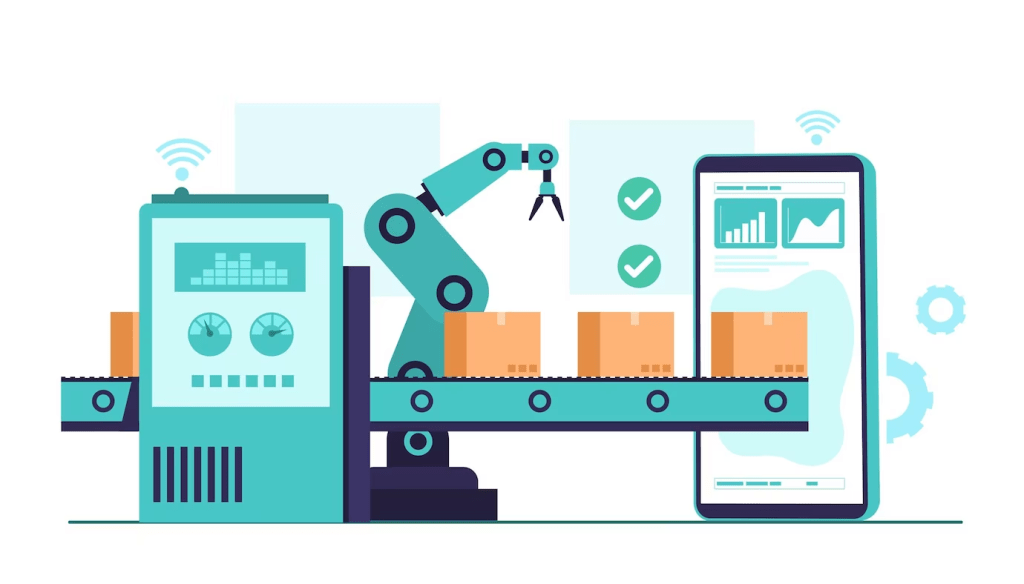
1. Real-time Troubleshooting: Manufacturing processes often encounter unexpected issues that require swift resolution. ChatGPT for manufacturing can provide real-time troubleshooting guidance to workers on the factory floor, helping them address equipment malfunctions, process deviations, and quality control concerns.
2. Quality Control and Inspection: Maintaining product quality is paramount in manufacturing. ChatGPT for manufacturing can assist in quality control by analyzing images and sensor data from production lines. It can identify defects, anomalies, or deviations from the expected product specifications, ensuring that only high-quality products reach the market.
3. Predictive Maintenance: Unplanned equipment downtime can be costly. ChatGPT can predict equipment maintenance needs by analyzing historical data and sensor readings. By scheduling maintenance in advance, manufacturers can avoid production disruptions and extend the lifespan of their machinery.
4. Process Optimization: ChatGPT for manufacturing can analyze production data to identify opportunities for process optimization. It can recommend adjustments to parameters like temperature, pressure, or material usage to maximize efficiency and minimize waste.
5. Inventory Management: Managing inventory levels efficiently is crucial in manufacturing. ChatGPT can provide real-time insights into inventory levels, reorder points, and supply chain coordination, ensuring that production remains uninterrupted.
6. Supplier Collaboration: Manufacturers often collaborate with various suppliers. ChatGPT for manufacturing can facilitate communication with suppliers, helping streamline procurement processes, negotiate contracts, and manage supply chain logistics effectively.
7. Training and Onboarding: ChatGPT can assist in training new employees, guiding them through complex manufacturing procedures. It can simulate real-world scenarios, allowing workers to practice and gain experience in a safe and controlled environment.
8. Data Analysis and Reporting: Analyzing vast datasets is a common task in manufacturing. ChatGPT for manufacturing can process data quickly, generating reports on production performance, equipment utilization, and quality metrics. This data-driven approach enables informed decision-making.
ChatGPT for Manufacturing: Implementation Considerations
While ChatGPT offers significant benefits to the manufacturing industry, successful implementation requires careful planning:
Data Integration: Integrate ChatGPT seamlessly with your manufacturing data sources, such as supervisory control and data acquisition (SCADA) systems, IoT devices, and manufacturing execution systems (MES). This ensures that the chatbot has access to real-time data for analysis and decision-making.
Customization: Tailor ChatGPT to your specific manufacturing processes and needs. Customize its responses and decision-making criteria to align with your unique production environment.
Security and Compliance: Manufacturing data often contains sensitive information. Implement robust security measures to protect data integrity and privacy, ensuring compliance with industry-specific regulations.
Human-Machine Collaboration: Foster collaboration between ChatGPT and human workers. Position ChatGPT as a valuable tool to assist employees rather than replace them. Encourage workers to provide feedback to improve the chatbot’s performance.
ChatGPT: A Driving Force in the Automotive Industry
The automotive sector is characterized by its complexity, rapid innovation, and relentless pursuit of excellence. ChatGPT is making a significant impact by offering a range of applications and benefits tailored to the automotive industry:

1. Virtual Automotive Assistants: In an era of connected vehicles, ChatGPT for automotive can act as a virtual assistant, offering drivers real-time information and assistance. It can provide updates on traffic conditions, suggest alternate routes, and even help with in-car entertainment and navigation.
2. Vehicle Diagnostics and Maintenance: ChatGPT can assist vehicle owners with diagnostics and maintenance. By analyzing error codes and symptoms, it can provide initial guidance on potential issues, helping drivers decide whether a visit to the mechanic is necessary.
3. Customer Support and Engagement: Automotive manufacturers and dealerships can deploy ChatGPT for automotive to handle customer inquiries and support. Whether it’s answering questions about vehicle features, scheduling service appointments, or assisting with warranty claims, ChatGPT ensures timely and accurate responses.
4. Sales and Recommendations: In the automotive sales process, ChatGPT for automotive can play a pivotal role by assisting potential buyers. It can provide information about vehicle models, financing options, and even recommend suitable vehicles based on customer preferences and needs.
5. Autonomous Vehicle Interaction: As autonomous vehicles become more prevalent, ChatGPT can serve as the interface between passengers and the vehicle’s AI-driven systems. Passengers can converse with ChatGPT to customize their journey, request information, or even control in-car features.
6. Dealer Network Support: Automotive manufacturers can use ChatGPT to support their dealer networks. It can provide dealers with product knowledge, sales training, and troubleshooting assistance, ensuring a consistent and informed customer experience.
7. Fleet Management and Telematics: In the realm of fleet management, ChatGPT can offer valuable insights into vehicle performance, route optimization, and driver behavior analysis. It helps fleet operators make data-driven decisions to enhance efficiency and reduce costs.
8. Design and Engineering Collaboration: ChatGPT for automotive facilitates communication and collaboration among automotive design and engineering teams. It can assist in design reviews, data analysis, and simulation scenarios, streamlining the product development process.
ChatGPT for Automotive: Implementation Considerations
While ChatGPT offers significant advantages to the automotive industry, successful implementation requires careful planning and consideration:
Integration with In-Car Systems: To provide real-time assistance, ChatGPT should be seamlessly integrated into in-car infotainment systems, accessible to both drivers and passengers without distraction.
Data Security and Privacy: The automotive industry deals with sensitive data, including vehicle telemetry and personal information. Robust security measures must be in place to protect data integrity and privacy.
Voice Recognition and Natural Language Understanding: To enable voice interactions in vehicles, ChatGPT should be equipped with advanced voice recognition and natural language understanding capabilities, ensuring smooth and accurate conversations.
Training and Maintenance: Regularly update and fine-tune ChatGPT models to keep them aligned with evolving vehicle technologies and customer expectations.
ChatGPT: A Welcome Addition to the Hospitality Landscape
Hospitality, encompassing hotels, resorts, restaurants, and travel services, is all about delivering personalized and memorable experiences to guests. ChatGPT is poised to transform the industry by offering a range of applications that elevate the guest experience:

1. Virtual Concierge: ChatGPT for hospitality can serve as a virtual concierge, offering guests instant assistance and recommendations. From suggesting nearby attractions and restaurants to providing room service requests, it enhances guest convenience and satisfaction.
2. Reservation and Booking Support: Hotels and restaurants can utilize ChatGPT for hospitality to assist guests with reservations and bookings. It can provide availability information, answer questions about pricing, and facilitate the booking process.
3. Multilingual Support: In the global hospitality industry, language barriers can be a challenge. ChatGPT’s multilingual capabilities enable seamless communication with guests from diverse backgrounds, ensuring a warm and welcoming experience.
4. Guest Queries and FAQs: Guests often have questions about check-in/check-out times, amenities, and policies. ChatGPT can handle routine queries, freeing up staff to focus on more complex guest needs.
5. Personalized Recommendations: By analyzing guest preferences and past interactions, ChatGPT can offer personalized recommendations for dining, activities, and services. This customization enhances the guest’s overall experience.
6. Feedback and Surveys: After a guest’s stay, ChatGPT for hospitality can facilitate feedback collection and surveys. It encourages guests to share their thoughts and helps hotels and restaurants gather valuable insights for improvement.
7. Employee Training and Support: Hospitality staff can benefit from ChatGPT as a training tool. It can simulate guest interactions, allowing employees to practice and enhance their service skills.
8. Room Automation and Control: In smart hotels, ChatGPT for hospitality can interface with room automation systems, enabling guests to control lighting, temperature, and entertainment through voice commands or text inputs.
ChatGPT for Hospitality: Implementation Considerations
To effectively implement ChatGPT in the hospitality industry, several key considerations should be taken into account:
Integration with Guest Services: ChatGPT should be seamlessly integrated into guest service platforms, websites, and mobile apps, providing guests with easy access to assistance and information.
Data Security and Privacy: Protecting guest data and ensuring privacy are paramount. Robust security measures should be in place to safeguard sensitive information.
Natural Language Understanding: ChatGPT’s natural language understanding capabilities should be finely tuned to understand and respond accurately to guest inquiries, regardless of language or dialect.
24/7 Availability: Guests often require assistance at any time of day or night. ChatGPT should be available 24/7 to provide round-the-clock support.
Regular Updates and Training: Continuously update and train ChatGPT models to ensure they remain relevant and aligned with evolving guest expectations and industry trends.
ChatGPT: A Vital Tool in Healthcare
Healthcare is a multifaceted industry characterized by its complexity, vast data volumes, and the need for precise, timely information. ChatGPT offers a range of applications that can significantly impact healthcare delivery:

1. Patient Engagement and Education: ChatGPT can act as a virtual healthcare assistant, engaging patients in conversations to provide information about medical conditions, treatment options, and medication adherence. It ensures that patients are well-informed and actively engaged in their care.
2. Appointment Scheduling and Reminders: Hospitals and clinics can use ChatGPT for healthcare to facilitate appointment scheduling, send reminders, and provide directions to medical facilities. It helps reduce no-shows and improves patient access to care.
3. Triage and Symptom Assessment: In telemedicine and remote healthcare settings, ChatGPT can assist in triaging patients by asking about symptoms and medical history. It can provide initial assessments and prioritize cases for healthcare professionals.
4. Medication Management: ChatGPT for healthcare can help patients manage their medications by sending reminders, explaining dosage instructions, and addressing common concerns or side effects. This promotes medication adherence and better health outcomes.
5. Healthcare FAQs and Information: Patients often have questions about their health. ChatGPT for healthcare can provide answers to common medical queries, helping patients understand their conditions and treatment options.
6. Mental Health Support: Mental health is a critical aspect of overall well-being. ChatGPT for healthcare can offer mental health support by engaging in conversations, providing coping strategies, and connecting patients with appropriate resources.
7. Administrative Support: Healthcare professionals can benefit from ChatGPT in administrative tasks. It can assist with medical coding, billing inquiries, and appointment coordination, freeing up staff to focus on patient care.
8. Medical Literature and Research: Healthcare providers and researchers can use ChatGPT to access medical literature, research papers, and clinical guidelines. It accelerates information retrieval and supports evidence-based decision-making.
ChatGPT for Healthcare: Implementation Considerations
Implementing ChatGPT in healthcare requires careful planning and consideration of specific industry needs:
Data Security and Privacy: Healthcare deals with sensitive patient data. Robust security measures must be in place to protect patient privacy and ensure compliance with regulations like HIPAA.
Integration with EHR Systems: ChatGPT should seamlessly integrate with electronic health record (EHR) systems to access patient data and provide context-aware responses.
Training and Fine-Tuning: Continuously update and fine-tune ChatGPT models to keep them aligned with evolving medical knowledge and patient needs.
Clinical Validation: Healthcare institutions should validate ChatGPT’s clinical accuracy and ensure that it provides reliable information and recommendations.
Ethical Considerations: Be mindful of ethical considerations in healthcare AI, such as transparency, bias mitigation, and the importance of always deferring to qualified healthcare professionals for diagnosis and treatment decisions.
ChatGPT: A Game-Changer in Information Technology
Information Technology is characterized by its complexity, diverse systems, and the need for quick, accurate responses. ChatGPT is making its mark by offering a range of applications that significantly impact the IT landscape:

1. IT Helpdesk Support: ChatGPT for information technology can serve as a virtual IT helpdesk, providing immediate assistance to employees or customers facing technical issues. It can troubleshoot common problems, answer inquiries about software, and offer step-by-step solutions.
2. System Monitoring and Alerts: In IT operations, real-time system monitoring is crucial. ChatGPT can analyze system alerts and notify IT staff about potential issues, helping to prevent downtime and ensure the smooth functioning of critical systems.
3. Password Resets and Access Requests: Password management is a common IT task. ChatGPT for information technology can assist users with password resets, access requests, and account management, reducing the workload on IT personnel.
4. Software Updates and Patch Management: Keeping software up-to-date is essential for security. ChatGPT can automate software updates and assist in patch management, ensuring that systems are protected from vulnerabilities.
5. Network Troubleshooting: Network issues can disrupt operations. ChatGPT can guide users through network troubleshooting steps, helping to identify and resolve connectivity problems.
6. IT Documentation and Knowledge Sharing: IT professionals often rely on documentation. ChatGPT for information technology can help create, update, and retrieve IT documentation, making knowledge sharing within IT teams more efficient.
7. Training and Onboarding: For new employees, IT training is crucial. ChatGPT can assist in IT training by providing tutorials, answering questions, and facilitating the onboarding process.
8. IT Security Awareness: In the realm of cybersecurity, ChatGPT for information technology can educate employees about best practices, warning signs of cyber threats, and how to report potential security incidents.
ChatGPT for Information Technology: Implementation Considerations
Implementing ChatGPT in Information Technology requires careful planning to ensure optimal performance:
Integration with IT Systems: ChatGPT should be seamlessly integrated with IT systems and monitoring tools to access real-time data and provide context-aware responses.
Data Security and Privacy: IT support often involves handling sensitive information. Robust security measures must be in place to protect data integrity and privacy.
Natural Language Understanding: ChatGPT’s natural language understanding capabilities should be fine-tuned to understand technical jargon and provide accurate IT guidance.
Training and Fine-Tuning: Continuously update and fine-tune ChatGPT models to keep them aligned with evolving technology and IT best practices.
User Adoption: Encourage user adoption of ChatGPT by providing training and clear communication about its capabilities and benefits.
ChatGPT: An Asset in Logistics and Supply Chain Management
The logistics industry is marked by its complexity, real-time decision-making, and the need for effective communication. ChatGPT is making significant strides by offering a range of applications that significantly impact logistics and supply chain management:
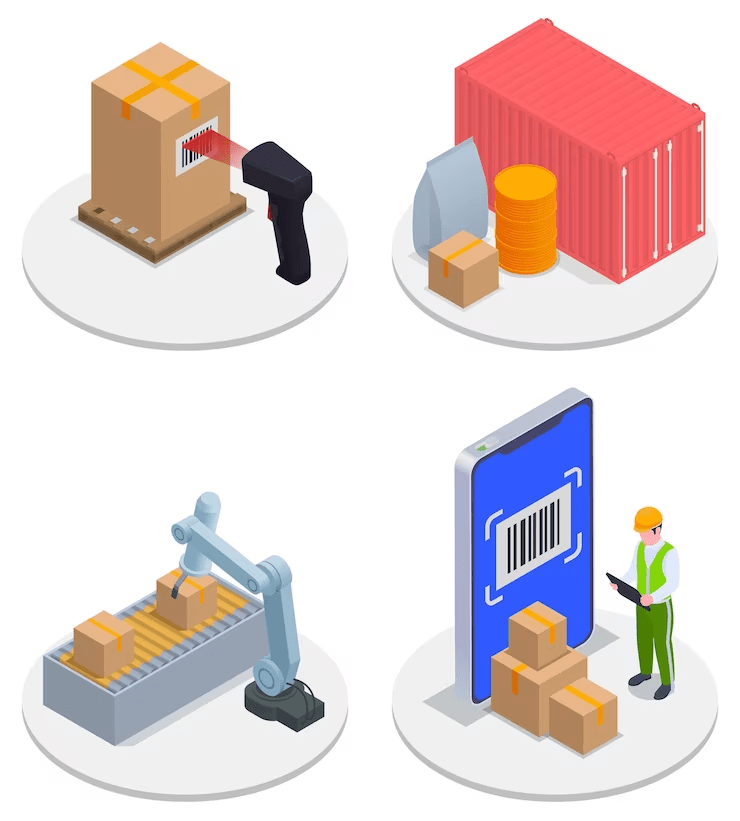
1. Order Tracking and Status Updates: ChatGPT can provide real-time updates on the status and location of shipments, allowing customers and logistics personnel to track orders seamlessly. This transparency enhances customer satisfaction and operational efficiency.
2. Route Optimization and Traffic Updates: In logistics, efficient route planning is critical. ChatGPT for logistics can offer real-time traffic updates, weather information, and suggest optimal routes for delivery vehicles, helping reduce transit times and costs.
3. Inventory Management: Efficient inventory management is vital for warehouses and distribution centers. ChatGPT for logistics can assist in inventory tracking, reorder point calculation, and demand forecasting, ensuring that stock levels are optimized.
4. Customer Support and Inquiries: Logistics companies often deal with customer inquiries about delivery times and order changes. ChatGPT for logistics can handle routine inquiries, providing quick and accurate responses while freeing up staff for more complex tasks.
5. Load Balancing and Capacity Planning: For logistics providers, optimizing load distribution and capacity planning is essential. ChatGPT can analyze data and recommend load-balancing strategies to maximize transportation efficiency.
6. Supplier Communication and Procurement: In the supply chain, communication with suppliers is crucial. ChatGPT for logistics can facilitate supplier interactions, track order statuses, and even assist in procurement activities, streamlining the supply chain process.
7. Warehouse Automation: ChatGPT can interface with warehouse automation systems, facilitating order picking, inventory replenishment, and stock location queries. This integration enhances warehouse efficiency.
8. Reporting and Analytics: Data analysis is essential for informed decision-making. ChatGPT can generate reports and offer insights into logistics performance, helping companies make data-driven decisions.
ChatGPT for Logistics: Implementation Considerations
Implementing ChatGPT in logistics and supply chain management requires careful planning and considerations:
Integration with Logistics Systems: ChatGPT should be seamlessly integrated with logistics and transportation management systems (TMS) to access real-time data and provide context-aware responses.
Data Security and Privacy: Logistics often involve handling sensitive shipment and customer data. Robust security measures must be in place to protect data integrity and privacy.
Natural Language Understanding: ChatGPT’s natural language understanding capabilities should be fine-tuned to understand industry-specific terminology and provide accurate logistics guidance.
Training and Fine-Tuning: Continuously update and fine-tune ChatGPT models to keep them aligned with evolving logistics practices and technology.
User Adoption: Encourage user adoption of ChatGPT by providing training and clear communication about its capabilities and benefits.
Conclusion: Unleashing Customized ChatGPT Applications
In this article, we’ve explored the transformative potential of customized ChatGPT applications across diverse industries. From finance to logistics, these tailored conversational AI solutions offer unparalleled opportunities for businesses.
Custom ChatGPT apps are more than a trend; they’re a tangible path to revolutionizing operations and customer interactions. They provide personalized financial guidance, streamline manufacturing, elevate hospitality experiences, improve healthcare, optimize IT support, and enhance logistics.
To fully harness the power of customized ChatGPT, organizations must prioritize planning, data security, integration, ongoing training, and ethical AI practices. With these principles, businesses can seize the potential of ChatGPT to drive efficiency, personalization, and success in their respective industries.
The future is bright for AI-driven customization, and ChatGPT is leading the way. Whether you’re in finance, manufacturing, automotive, hospitality, healthcare, IT, or logistics, customized ChatGPT applications promise to open new horizons of success for your business.
References used:
https://www.leewayhertz.com/chatgpt-for-manufacturing/
https://www.leewayhertz.com/chatgpt-for-healthcare/
 Tech News from Zoe
Leave a comment